

- Hits: 89
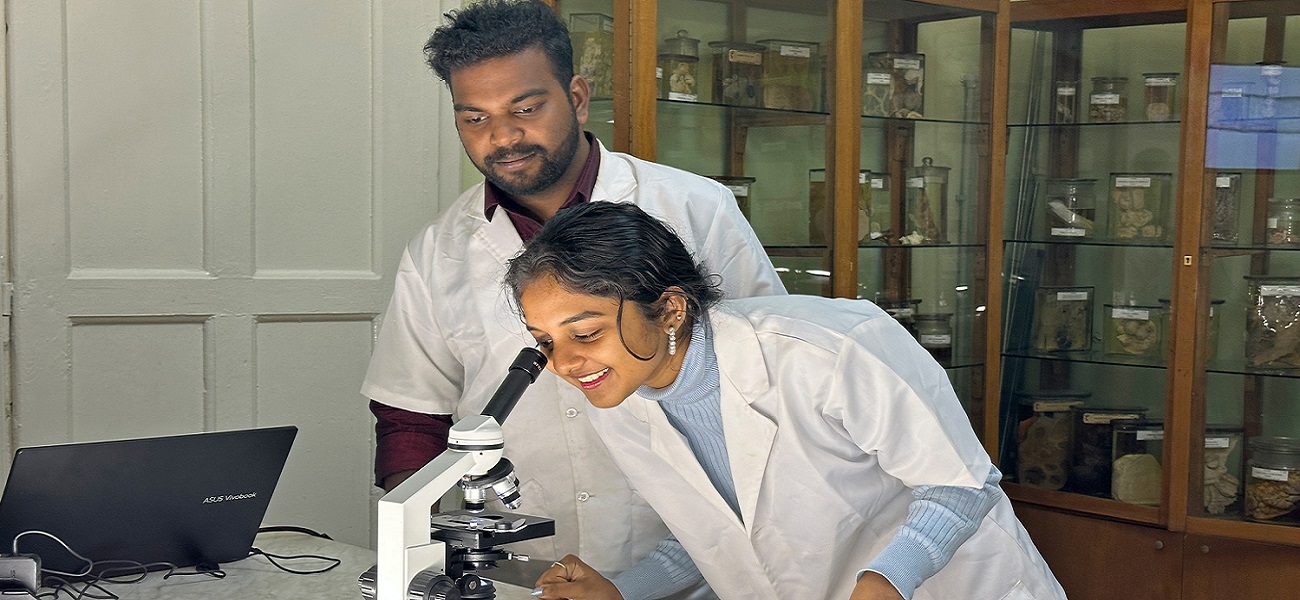
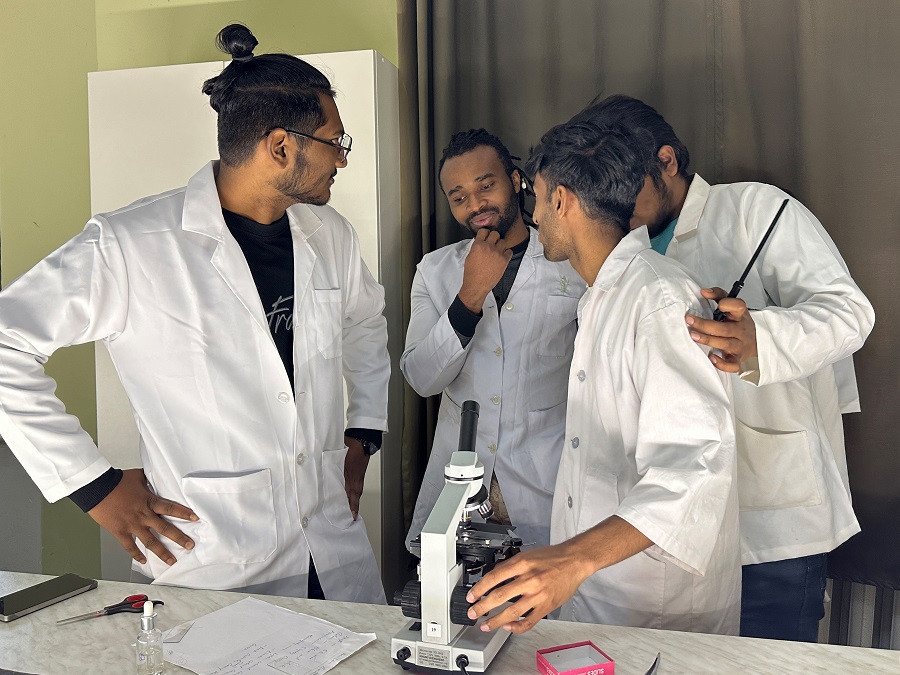
During a laboratory session for master's students in the specialty H6 "Veterinary Medicine" within the course "Forensic Veterinary Medicine", associate professor, veterinary surgeon Volodymyr Lemishevsky, presented the methodology for determining the taxonomic origin of animal hair.
Archived hair samples from various animal species were analyzed using macroscopic and microscopic methods. Linear measurements were made using a ruler and calipers, and hair thickness was estimated using specialized software in combination with a light microscope equipped with a digital camera. Alkaline hydrolysis was performed with a 20% sodium hydroxide solution, and cuticle impressions were prepared using "BF-6" glue, which ensured high quality samples for further analysis.
Read more: LABORATORY CLASSES IN FORENSIC VETERINARY MEDICINE FOR INTERNATIONAL STUDENTS
- Hits: 58
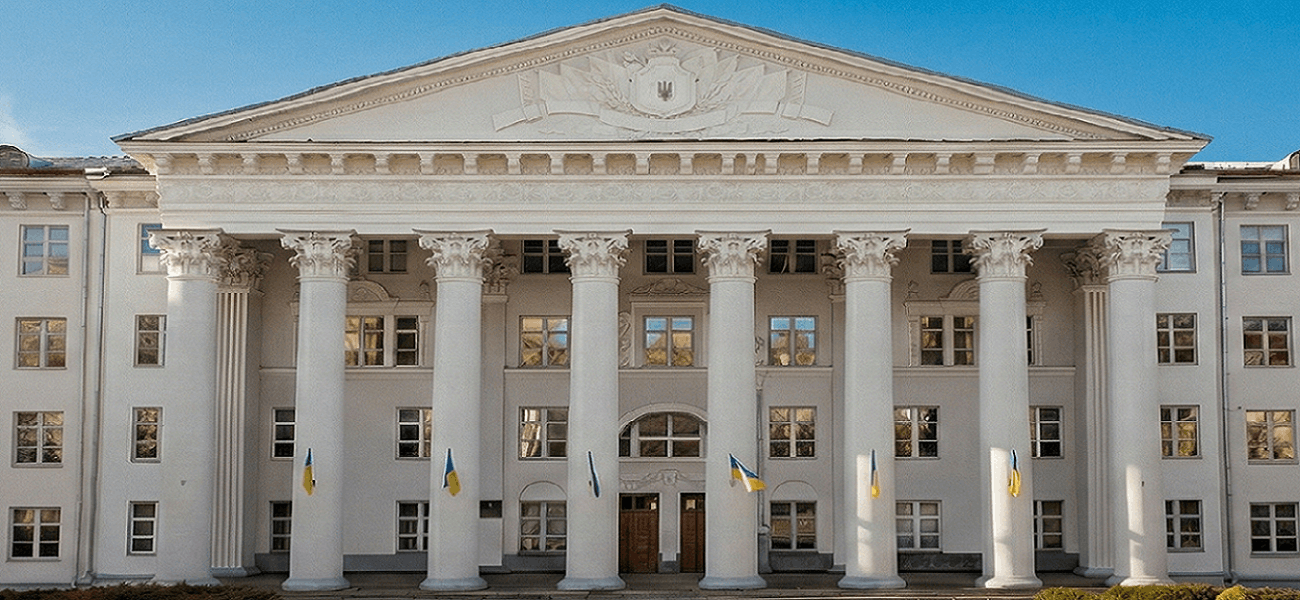
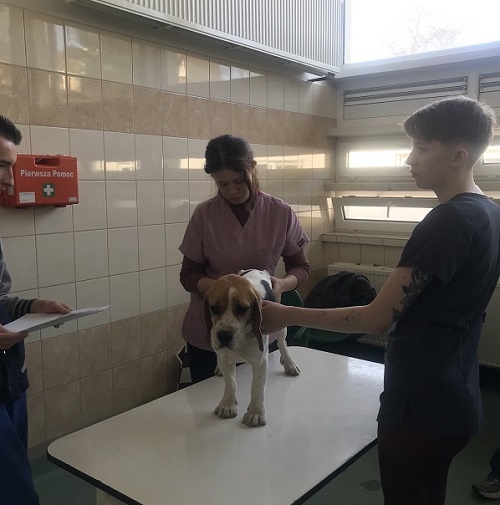
Wroclaw is a charming city in the Lower Silesian Voivodeship of Poland. I was so lucky to spend my Erasmus time here. The city has a rich architectural heritage and ancient history. You can visit many unique architectural monuments that combine different European styles. Market Square - the heart of Wroclaw. The main building is the Town Hall, which decorates the city and gives it grandeur.
- Hits: 25
Erasmus+ is not only about the knowledge you will get at the university. It's like living a short, but completely different life in the middle of your full life. Everything has changed - the classes in which I study, my bed, which I used to sleep on, and the store closest to home.
This is the same "clean sheet", although temporary - a new country, city, teachers, and people around. The opportunity to take, and start doing everything the way you now think is right. See yourself differently.
Erasmus+ is a space for students who want to try. Search for something new, and review your existing knowledge. For those who value experience.
- Hits: 35
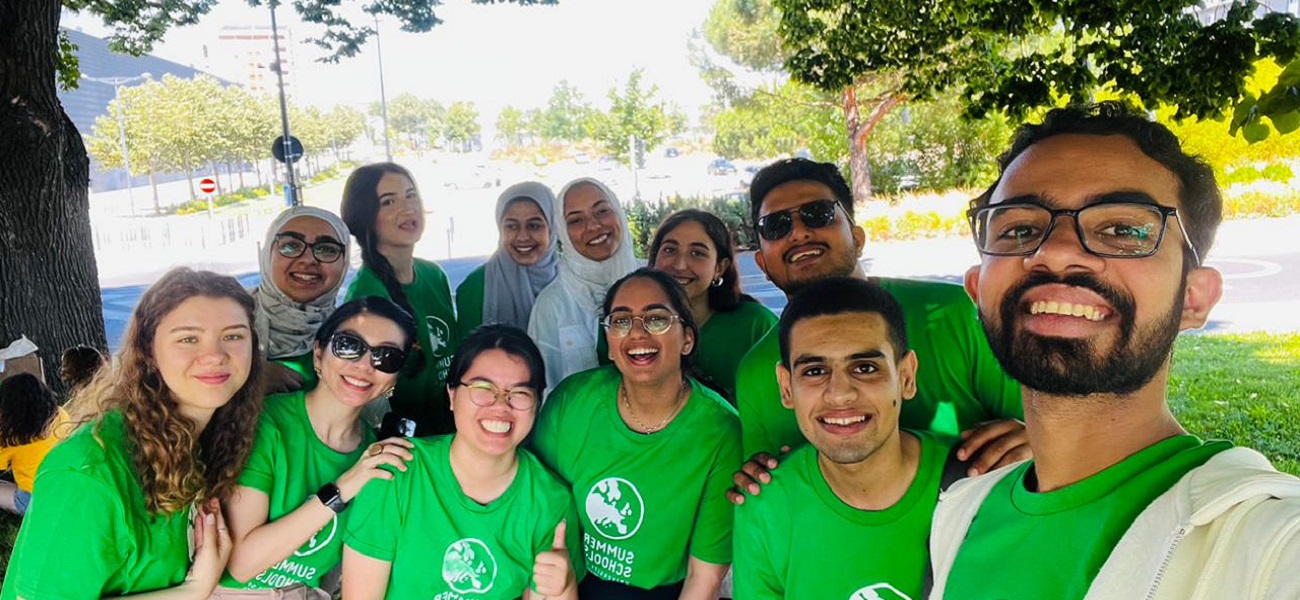
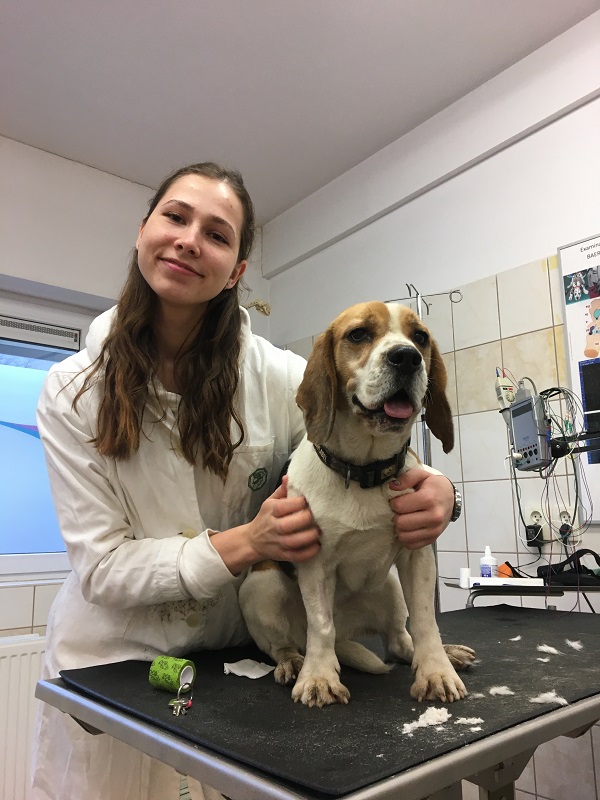
This summer I had a great opportunity to participate in the Summer School at the Wrocław University of Environmental and Life Sciences. This experience cannot be described in words. I was fortunate to listen to many interesting lectures and learn new information in practice by attending on-campus workshops. The school lasted two weeks, and this time passed imperceptibly. Also, many interesting events were organized for us, during which was a brilliant chance to get to know other participants of the program better and to communicate with interesting people. The program was well planned, with the possibility of combining the pleasant with the useful.
Before becoming a participant of the Summer School, it was necessary to pass a selection. It consisted of two stages. The first stage is filling out a questionnaire, in which you need to indicate the animals you would like to work with (cats and dogs, or horses), the second is an online interview. Since I chose small animals, the Summer School program offered to familiarize myself with three specialties, namely cardiology, oncology and reproduction. During the first week, we participated in online lectures. They were conducted by teachers from universities in Poland, Italy, Austria, Romania and France. It was incredibly interesting to hear about new research in science from different countries of the world. We managed to glean a lot of interesting information about veterinary medicine!
- Hits: 24
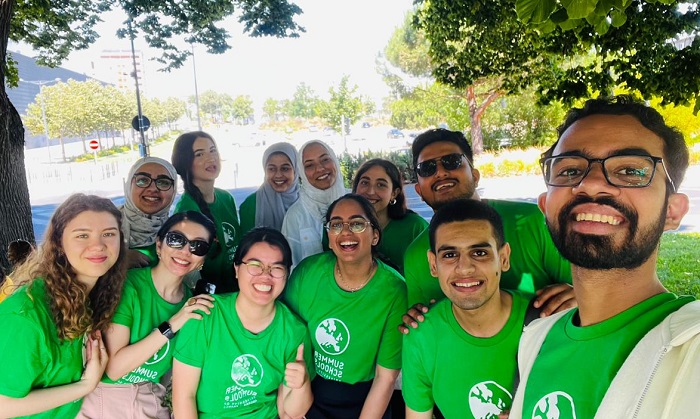
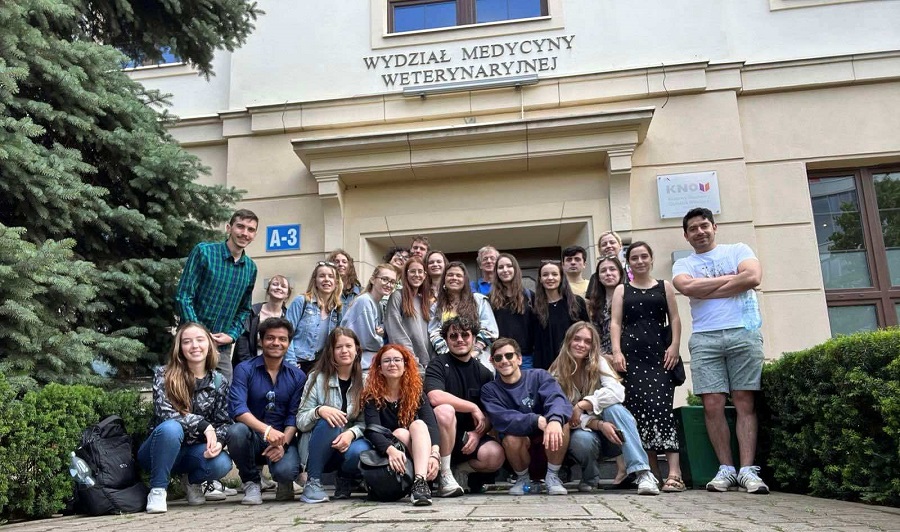
My name is Dariia Hniezdilova. I`m a 4th year student of veterinary medicine faculty in Lviv National Stepan Gzhytsky University of Veterinary Medicine and Biotechnology. I would like to extend my sincere gratitude towards the Wrocław University of Environmental and Life Sciences and the Lviv National Stepan Gzhytsky University of Veterinary Medicine and Biotechnology for providing me with opportunity to participate in the Summer school research program hosted by the Angers University in France. The program took place from 24th of June to 5th of July and it was hosted by the University’s faculty of health and medicine. The participant cohort consisted of students and professionals from varied fields like Pharmacy, Medicine, Biomedical Sciences and Veterinary Medicine. The academic schedule for these twelve days comprised of lectures regarding state of the art research in medicine and specifically in neuroscience. The panel of lecturers included elite level researchers and scientists like Marco Spinazzi, Maxima Gaubwerti, Marco Pasi etc. to name a few, all of them pioneers in their respective fields. We also had workshops about scientific writing, data base analysis etc. Also we had the privilege of visiting one of the most reputed laboratories in gene therapy called the Généthon. There we received a guided tour of the laboratory and got the opportunity to meet and greet their faculty and witness their top notch research work and machinery involved in the process. Also we spent a few hours in the Angers University simulation centre where we learnt some techniques relating first aid, intubation and IV-catheter placement protocols.