




The university is a multidisciplinary higher education and research institution with strong expertise in agriculture, veterinary medicine, food technologies, engineering, environmental sciences, management, and digital technologies. Its academic structure includes faculties covering agrotechnologies, veterinary medicine, biological and technological sciences, construction and architecture, food technologies and biotechnologies, mechanics and energy, land management, and management, economics, and law .
Research Excellence and Strategic Focus
Research activities are aligned with national and EU priorities, particularly climate change adaptation, sustainable agriculture, animal welfare, food security, digital transformation, energy efficiency, and post-war recovery.
Key research strengths include:
Sustainable agroecosystems and climate-resilient crop production, including soil fertility, biodiversity preservation, and environmentally safe cultivation technologies.
Advanced plant breeding and protection, integrating genomics, phenotyping, AI, remote sensing, and digital twins.
Animal genetics, nutrition, welfare, and health, with a strong focus on EU animal welfare standards, sustainable livestock systems, and alternative feed sources.
Veterinary medicine and biotechnology, including disease prevention, diagnostics, nanomaterials, probiotics, and development of veterinary medicinal products.
Engineering, energy, and digital technologies, covering renewable energy, precision agriculture, drones, IoT, AI-based decision-support systems, robotics, and demining technologies.
Food technologies and biotechnologies, focusing on resource-efficient, safe, and sustainable food production.
Management, public administration, and law, addressing governance under crisis conditions, regional development, social entrepreneurship, and European integration.
Laboratories and Infrastructure
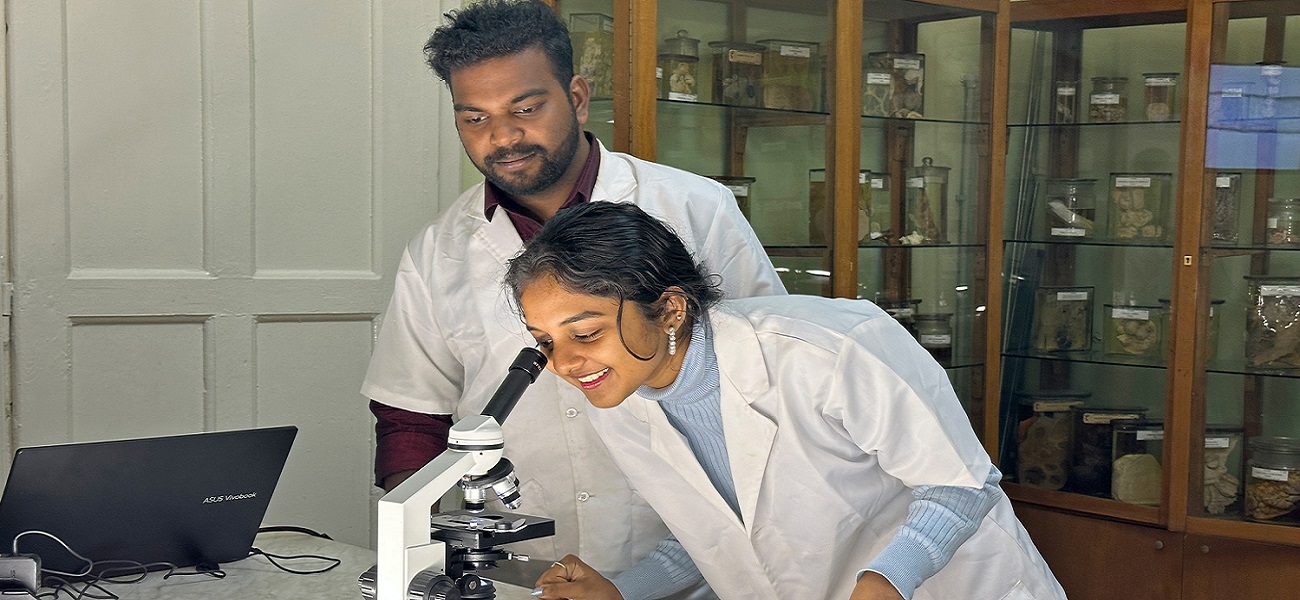
The university operates an extensive network of educational and research laboratories, including agrochemical, phytopathology, biotechnology, veterinary clinical, nanotechnology, structural engineering, food technology, and digital systems laboratories. A new Agroecological Diagnostic Laboratory is planned, with significant investment aimed at strengthening applied research and practical training capacities .
International and National Project Experience
The institution has substantial experience in managing and participating in EU-funded and international projects, including Erasmus+ (CBHE, Jean Monnet), Interreg, USAID, EIT, and national research programs. Projects address sustainable livestock production, animal welfare, biodiversity protection, energy efficiency in buildings, digital education, and cross-border environmental cooperation. This demonstrates strong administrative capacity, financial accountability, and experience in international consortia.
Contribution to Societal Challenges and Recovery
The university plays an active role in addressing Ukraine’s wartime and post-war challenges, including:
Training specialists for food security, veterinary services, and sustainable agriculture.
Developing digital and remote learning solutions for lifelong learning, displaced persons, and adult retraining.
Supporting community resilience, environmental monitoring, and reconstruction through applied research and innovation.
Strategic Relevance for International Cooperation
With its combination of scientific excellence, applied research infrastructure, and strong international project record, the university is a reliable partner for initiatives focused on sustainability, green transition, digitalisation, gender equality, lifelong learning, and capacity building. Its experience in EU-aligned reforms and interdisciplinary collaboration ensures high added value for future international projects and long-term partnerships .